The journey to parenthood is filled with hopes, dreams, and expectations about what the future will hold. From imagining a child’s first steps to picturing family traditions and birthdays, parents begin building a relationship with their child long before they ever hold them in their arms.
But sometimes, that journey takes an unexpected turn. Infertility, miscarriage, and the death of a child can bring profound grief into the lives of parents and families, changing not only how they see the future, but how they experience the present.
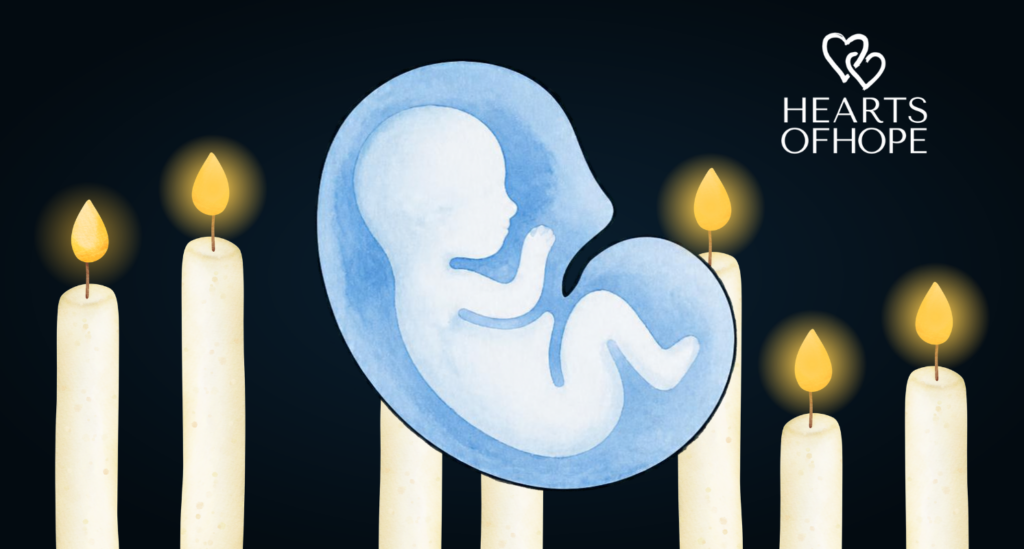
October is Pregnancy and Infant Loss Awareness Month, a time to recognize the families who have experienced these losses and to remind them that their grief deserves to be seen, heard, and supported. On October 15, families and communities around the world also participate in the Wave of Light, a special time of remembrance for babies who have died. Although every family’s experience is different, one thing remains true: the loss of a hoped-for or beloved child can leave an emotional impact that is difficult to put into words.
Infant and pregnancy loss can take many forms. While some losses occur before a pregnancy begins, others happen during pregnancy or after a child has been born. Each experience carries its own unique challenges, and no two parents will grieve in exactly the same way.
For some, the journey begins with infertility. For others, it involves the loss of a pregnancy through miscarriage. And for parents who experience the death of a baby or an older child, grief may come with the heartbreaking absence of someone who was already woven into the fabric of their everyday lives.
Grief following pregnancy and infant loss is complicated. It does not always look the way people expect, and it certainly does not follow a predictable timeline. Parents may experience sadness, anger, guilt, jealousy, loneliness, confusion, or even moments of relief. Sometimes, they may feel several of these emotions at once.
For families experiencing infertility, grief can begin long before a pregnancy ever occurs. Month after month, parents may be navigating disappointment, uncertainty, or a feeling of failure. Baby showers, pregnancy announcements, and conversations about growing families can become painful reminders of what feels out of reach. There may also be grief over lost time, financial strain, changing plans, or the fear that parenthood may not happen.
Miscarriage can bring a different kind of heartbreak. Even when a pregnancy is brief, the hopes and attachments surrounding it can be immense. Parents may grieve the milestones they will never reach, the name they had considered, or the life they had already begun imagining. Because miscarriage is often an invisible loss to others, parents may feel pressure to keep their pain private or move forward before they are ready.
When a baby or child dies, the loss can touch every part of family life. Ordinary routines, familiar spaces, and special occasions may suddenly carry painful reminders of the child who is missing. Parents may struggle to reconcile the world they knew with the world they now inhabit. They may find themselves longing for the smallest things: a familiar sound, a favorite expression, a hug, or one more ordinary day together.
There is no hierarchy of grief. A loss does not need to be visible to others, understood by everyone, or experienced over a certain length of time to matter. Every parent deserves compassion for the child they hoped for, the pregnancy they lost, or the child whose life ended too soon.
One of the hardest parts of pregnancy and infant loss is that grief can feel isolating. Friends and family may want to help, but struggle to find the right words. Others may avoid talking about the loss because they are afraid of causing more pain.
For parents who have experienced infertility or pregnancy loss, a subsequent pregnancy may bring its own complicated emotions. Hope and fear can exist side by side, making it difficult to fully embrace joyful moments. Parents who have lost a child may find themselves navigating life with both love for the child who died and the demands of everyday responsibilities.
These experiences are not signs of weakness. They are reminders of how deeply love and loss can shape a family.
There is no single right way to grieve, and no deadline by which parents should feel better. Still, there are ways to make the experience a little less lonely and to create space for healing.
Pregnancy and Infant Loss Awareness Month reminds us that many parents carry stories that are rarely shared openly. Some are grieving a pregnancy they had hoped for. Some are remembering a baby they never had the opportunity to bring home. Others are learning how to live in a world forever changed by the death of a beloved child.
October 15 and the Wave of Light provide an opportunity for communities to come together in remembrance, but awareness and support are needed throughout the year. Each story deserves to be met with compassion rather than comparison, silence, or expectations about how grief should look.
This Pregnancy and Infant Loss Awareness Month, may we make room for every story, honor every family, and offer the kind of compassion that reminds grieving parents that their children matter, their experiences matter, and their grief deserves to be held with care. And on October 15, whether through lighting a candle as part of the Wave of Light or simply taking a quiet moment to remember, may we remind every grieving parent that their love is seen, their child is remembered, and they are not alone.
Hope and Healing Toolbox
Are you struggling with your second year? If you need someone to talk to, don’t hesitate to reach out: we’re here to help.
Download a Free Printable PDF of this post: